Emergency Response
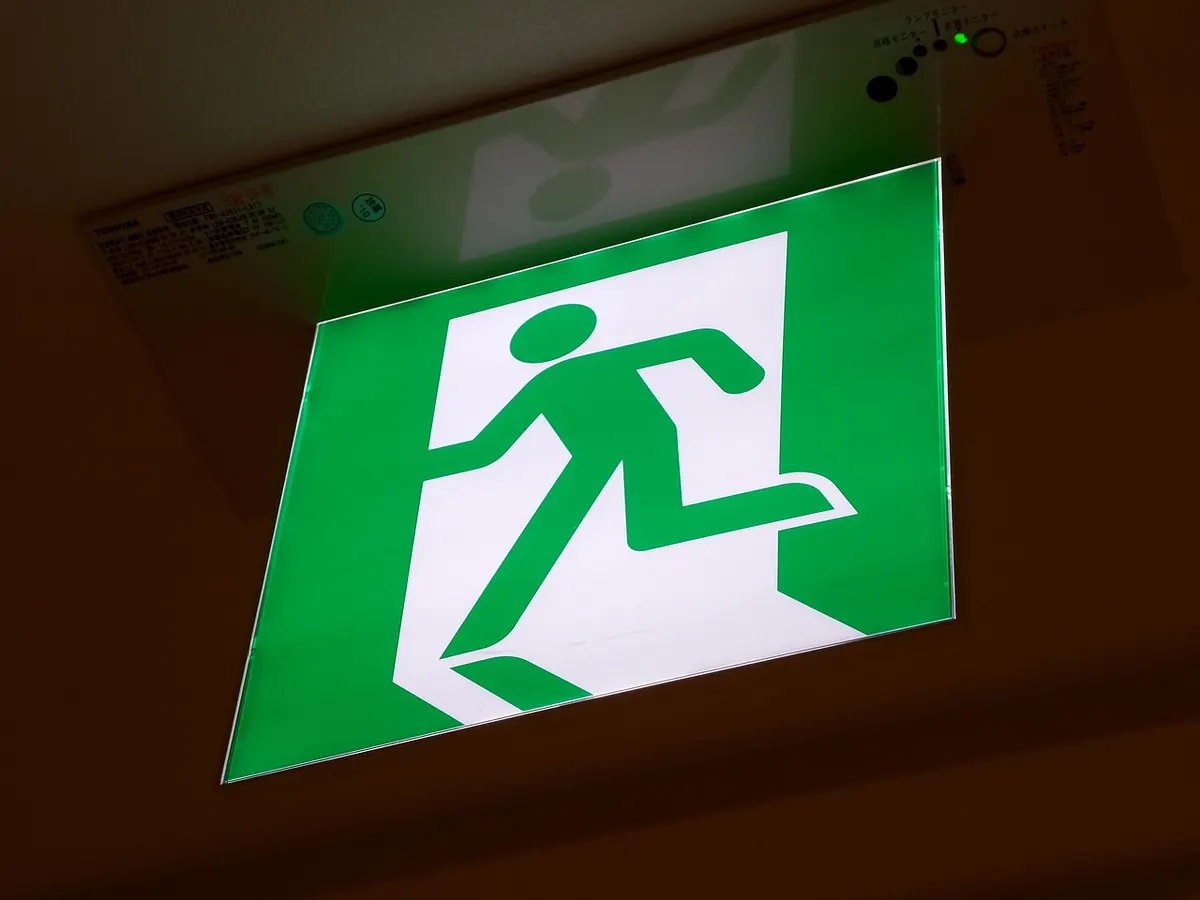
What to Do in the First 60 Seconds of a Workplace Fire: A Step-by-Step Action Plan
Most workplace fires start small. A bin smouldering in a staff kitchen, a printer sparking, a charger overheating under a desk. What turns a small fire into a serious one is rarely the flames — it is the minute that follows, when people hesitate, wait for someone else to act, and smoke quietly fills the corridor. The first 60 seconds have a simple order to them: raise the alarm, get people out, call 999, and only then decide whether to tackle the fire. Here is how that looks in practice.
Seconds 0–10: Stop, Look, Decide
Panic makes people do the wrong thing. They run towards the smell, open the wrong door, or assume the beeping is a drill. Take a deliberate three seconds instead and answer three questions.
- Where is the fire, and what is burning?
- Is anyone in immediate danger?
- Is the fire between me and my nearest exit?
A waste-paper basket burning in an open corridor is a very different problem from a fire behind a closed door with smoke pushing under it. If you cannot see flames but can smell burning, treat it as a fire and act. Smoke travels much further and faster than flames, and it is smoke that puts people in hospital. Never walk into a smoke-filled room to investigate — if you cannot see the far side of the room, do not enter it.
Seconds 10–25: Raise the Alarm Before Anything Else
Sound the alarm first. Not after a closer look, not once you have found a colleague to confirm it with. One of the most common delays in a real incident is a room full of people waiting for somebody else to make the call.
Break the glass, press the red call point, or shout "Fire!" clearly and repeatedly if the nearest alarm is behind the fire. Then make the message useful.
- Say what and where. "Fire in the second-floor kitchen" tells people far more than a scream.
- Point at a specific person. "You, in the blue shirt, call 999 now." Otherwise everyone assumes someone else has done it.
- Do not assume the alarm has already been raised just because nobody else is reacting. Call points get missed and systems fail.
Seconds 25–45: Evacuate, and Keep Others Moving
Evacuation is not a race to the car park. It is an orderly move to a place where everyone can be counted. Walk, do not run. Follow the route you have practised, use the stairs rather than the lift, and close doors behind you when it costs you no extra time — a closed fire door holds back smoke and heat far better than an open one.
If you are a fire warden or nominated person
- Sweep your area properly: toilets, meeting rooms, store cupboards, kitchens, and anywhere someone might be working with headphones on.
- Close doors behind you as you go, if it is safe to do so.
- Help anyone who needs assistance, using the plan already agreed for them rather than improvising on the spot.
- Go to the assembly point, report clearly to whoever is co-ordinating, and stay there until you are told the building is safe.
If you are not a warden
Leave by the nearest safe route and keep moving. Do not stop for your laptop, your coat or your car keys. Do not go back inside for anything, at any point, for any reason. If you pass someone heading towards the building, tell them to turn around.
Seconds 45–60: Call 999 and Say the Right Things
If nobody has called the fire service yet, make the call yourself. Dial 999 and ask for the fire service. Give the operator:
- The full address, including the building name, the floor, and the entrance crews should use.
- What is burning and roughly how big it is.
- Whether anyone is missing or trapped, and where they were last seen.
- Your name and a phone number you will keep with you.
Stay on the line until you are told to hang up. Do not ring again to confirm that someone else called — duplicate calls tie up lines other people need. When you reach the assembly point, tell the person co-ordinating exactly what you reported, so the information matches what the crews have been given.
Should You Try to Put It Out?
Only attempt to extinguish a fire if all of the following are true.
- The fire is small, contained and not spreading — a waste bin, a toaster, a pan.
- You know which extinguisher suits it and how to use it.
- You have a clear escape route behind you, and someone knows what you are doing.
- The alarm has been raised and everyone else is already leaving.
If any of those is not true, close the door and go. If you do decide to try, match the extinguisher to the fire:
- Water — paper, wood, textiles. Never on live electrical equipment or cooking oil.
- Foam — flammable liquids such as petrol, paint or solvents.
- CO2 — electrical equipment; it leaves no residue.
- Dry powder — versatile and fast, but messy and it can obscure your vision in a small room.
- Fire blanket — a small pan fire. Turn off the heat if you can reach the controls safely, cover the pan, and leave it covered.
No extinguisher is worth dying for. Use the PASS technique — pull the pin, aim at the base of the fire, squeeze the handle, sweep — and give it a few seconds. If the fire is not going out, it is winning. Leave.
What Not to Do
- Do not use the lift, even if it looks closer and faster.
- Do not re-enter for anyone or anything. Tell the fire service and let them handle it.
- Do not open a door that feels warm or has smoke curling around the edges.
- Do not assume it is a drill. Treat every alarm as real until someone official tells you otherwise.
- Do not wander off to see how bad the fire is.
Rehearse the First Minute
That minute goes better when you have already run it in your head. Next time you are at your desk, look up and answer three questions: where is the nearest alarm call point, which way is the nearest exit, and where do we assemble? Then, at your next drill, watch the clock. If people are still drifting out of the building three minutes after the alarm, the problem lies in the first 60 seconds.
If you are unsure who is responsible for your building's emergency plan, or when the fire risk assessment was last reviewed, ask. Most workplaces are legally required to have both, and a plan nobody has read is not a plan. For anything specific to your premises, check with a competent fire safety adviser or your local fire and rescue service rather than guessing.
Photo: FranckinJapan / Pixabay
Related Articles