Flare Control
Flare Stack Fire Prevention Explained: A Beginner's Guide to Safe Flare Control
A flare stack is not a chimney. It is a safety device, and its job is to burn flammable gas safely when a process unit has too much pressure or an emergency relief event. A flame at the tip is normal. A fire anywhere else, or a flame that behaves unpredictably, is not. Understanding how flare systems work — and what causes them to lose control — is the first step in preventing flare stack fires.
What a Flare System Actually Does
An industrial flare system collects relief gases from pressure safety valves, blowdown lines, and emergency depressurisation systems. Those gases travel through a collection header to a knockout drum, which removes liquids and droplets. From there, the gas passes through a seal or purge arrangement and up the flare stack, where pilots ignite it at the tip.
The flare protects equipment and people by reducing pressure safely and burning flammable vapour before it can form a dangerous cloud at ground level. During normal operation, you may see a small pilot flame or a faint purge flame. During an upset, the flare can look dramatic: a large orange flame, a roaring sound, and visible heat. That can still be controlled combustion. The danger signs are different — flame at the base, black smoke, burning liquid, or a flare that has gone out while gas continues to flow.
How Flare Stack Fires Start
Most flare incidents begin when one of three things changes: fuel, air, or ignition. If the flare loses its pilot flame but gas keeps flowing, an unburned vapour cloud can travel downwind. Any ignition source — a hot surface, static, or a vehicle — can then cause a flash fire or explosion. This is why pilot monitoring and reliable ignition matter so much.
Another common cause is air entering the flare system. Low purge gas, a failed seal, or maintenance work without proper isolation can allow oxygen into the header. If the gas mixture falls within its flammable range, a flashback can occur. The flame may travel back into the flare system instead of staying at the tip.
Liquid carryover is equally serious. If the knockout drum is overwhelmed, liquid can be pushed up to the flare tip. Burning liquid may fall around the base, creating pool fires, damaging the structure, and putting nearby equipment at risk. Mechanical problems also play a part: corroded tips, blocked pilot nozzles, damaged refractory, or a failed igniter can all turn a routine relief event into an uncontrolled fire.
Routine Checks That Keep Flare Control Safe
Flare safety is built on routine checks, not luck. The exact schedule depends on your site, but the following checks are a useful baseline.
Every shift or daily
- Confirm pilot flame status and check any flame detection alarms.
- Verify purge gas flow is within the set range. Low purge can allow air into the system.
- Look at the flame colour, shape, and smoke. Listen for unusual roaring or popping.
- Record flare header pressure and knockout drum level.
- Check drains, seals, and any heating or tracing in cold weather.
Weekly to monthly
- Test pilot ignition systems and flame scanners.
- Verify knockout drum level alarms, pumps, and liquid disposal routes.
- Inspect seal fluid level and condition, and look for gas blow-by.
- Check the flare tip and structural supports from a safe vantage point or camera.
- Calibrate pressure, flow, and temperature instruments according to site schedule.
Annually or during turnarounds
- Shut down, purge, and isolate the flare system before any tip inspection.
- Inspect tips, pilots, refractory, flame arrestors, and seals for damage.
- Test relief valves and flare control valves.
- Review relief cases and flare capacity with a process engineer.
Warning Signs Not to Ignore
Some flare problems announce themselves clearly. Others are quiet. Treat any of the following as a reason to investigate, not to wait and see:
- Flame at the base of the stack or on the structure.
- Heavy black smoke that does not clear when relief flow changes.
- Liquid or burning liquid around the flare area.
- A pilot flame alarm, or a flare that appears unlit while gas is flowing.
- Pulsating, popping, or unusually loud flare noise.
- High flare header pressure or a knockout drum level that keeps rising.
- Ice or hydrate formation on flare lines in cold conditions.
If you see any of these, follow your site alarm response. Never approach the flare base to investigate on your own.
Design and Operational Habits That Prevent Trouble
Prevention starts long before a relief event. Good design keeps oxygen out with proper purging, seals, and positive isolation. It keeps liquids out with correctly sized knockout drums, reliable level control, and working drains. It keeps ignition reliable with tested pilots, protected igniters, and clear flame detection.
Operationally, the habits that matter are simple but easy to neglect. Follow management of change procedures before altering flare loads. Use permits and isolation checklists for maintenance. Keep purge rates where they should be, even when the flare looks quiet. Train operators to recognise upset conditions, not just normal ones. And keep records of every inspection, test, and fault so patterns become visible.
Remember: a silent flare is not automatically a safe flare. It may simply be unlit.
Working Safely Around a Flare System
Flare areas are restricted for good reason. Respect the exclusion zone, wear the required PPE, and carry a gas detector where site rules require it. Keep ignition sources away. Watch the wind direction and know your escape route. Maintain radio or phone contact with the control room.
If you smell gas, hear unusual noise, or see liquid near the flare, leave the area and raise the alarm. Do not assume someone else has noticed. In fire safety, early reporting is rarely wasted. For site-specific rules, always follow your employer’s procedures and take advice from a qualified process safety or fire safety engineer.
A Practical Daily Routine for Beginners
If you are new to flare control, start with a repeatable routine:
- Read the shift log, permits, and any flare alarms before you go outside.
- Check pilot status and flame detection first. Without reliable ignition, nothing else matters.
- Verify purge flow and flare header pressure against the operating envelope.
- Check knockout drum levels, seals, and drains.
- Look and listen: smoke, flame shape, liquid, noise, and heat.
- Report anything unusual immediately, even if you are not sure it is a fault.
Flare stack fire prevention is not about one dramatic action. It is about small, consistent checks that keep fuel, air, and ignition under control. Do those checks well, and the flare remains what it was designed to be: a last line of defence, not a source of danger.
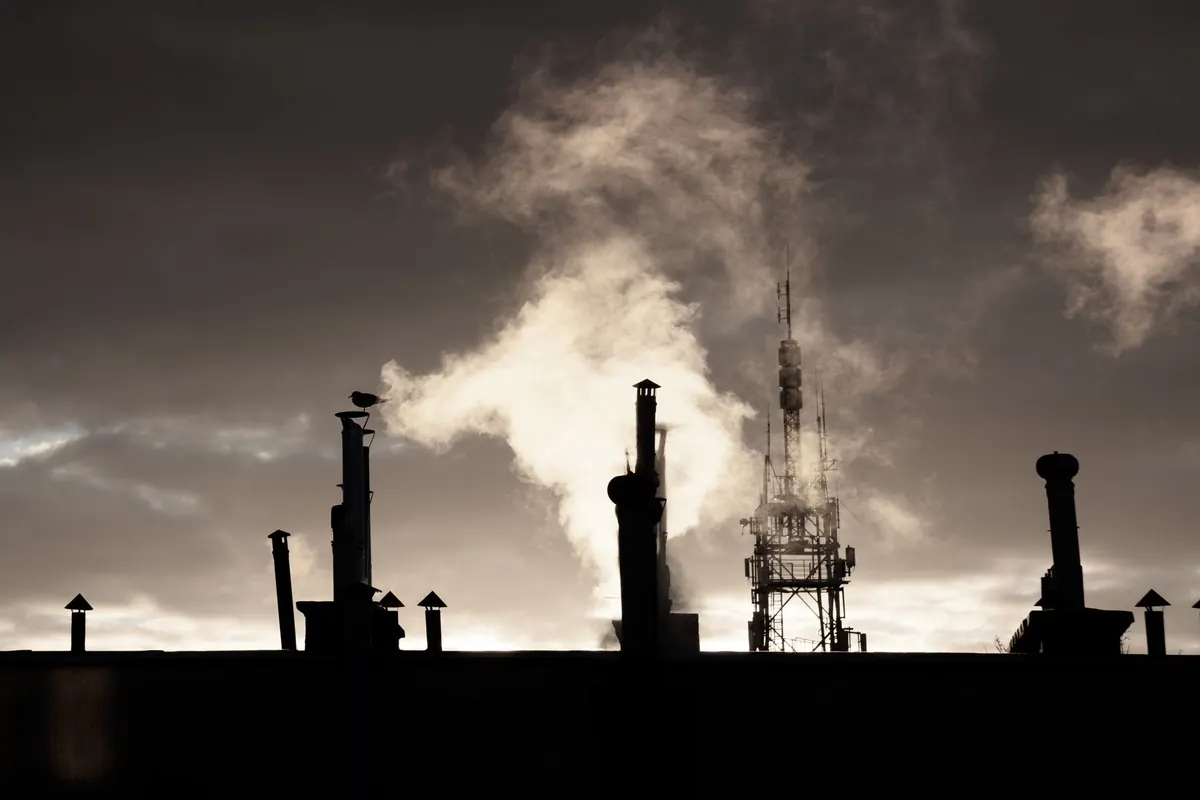
Photo: Ala J Graczyk / Pexels
Related Articles