Safety Equipment
Fire Blanket vs Fire Extinguisher for Kitchen Fires: Which Is Safer to Keep?
Most kitchen fires begin in a pan of oil or in something forgotten under the grill. The two things people tend to keep within reach are a fire blanket and a fire extinguisher, and they do very different jobs. A blanket smothers. An extinguisher fires a specific agent at a specific class of fire, and choosing the wrong one can make things much worse. The honest answer to which is safer is: it depends on the fire you are most likely to have. Here is how to work that out, and what is worth buying in the UK.
What each one actually does
A fire blanket is a sheet of treated woven glass fibre, made to the standard BS EN 1869. It works by cutting off the oxygen supply to a small fire sitting on a flat surface. It does not cool anything, and it cannot reach a fire hidden behind a panel or inside an appliance. Its great strength is that it is simple, cheap to keep, and needs no technique under pressure — you unfold it and lay it on.
A fire extinguisher is a pressurised cylinder of a particular agent. That agent matters enormously. Water and foam are for solid materials and must never go near hot oil or live electrics. Carbon dioxide (CO2) is clean and safe on electrical equipment. Wet chemical is designed for cooking oils and fats. Dry powder covers several fire types but leaves a fine, corrosive dust everywhere. Choosing an extinguisher means choosing a class, not just a size.
Chip pan and deep-fat fires: the blanket usually wins
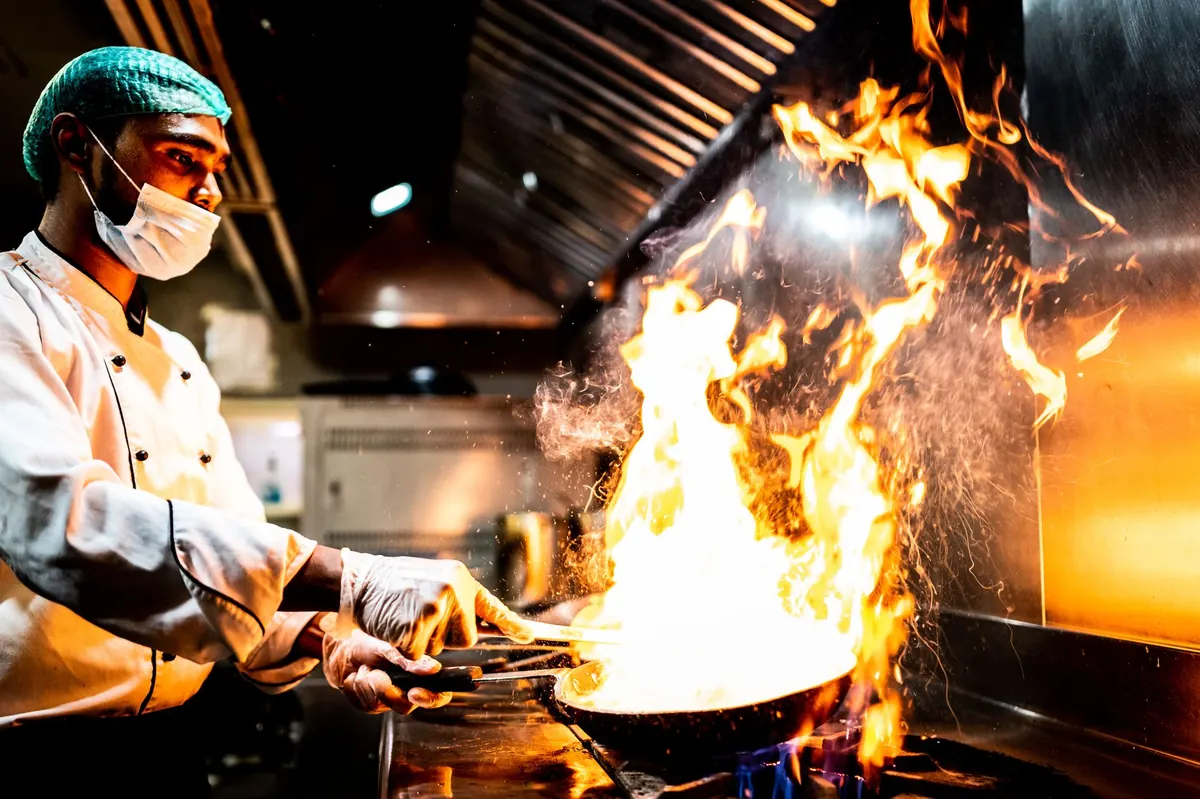
A pan of burning oil is the classic domestic kitchen fire, and it is where a fire blanket is at its best. Turn off the heat if you can reach the dial without leaning over the pan. Then hold the blanket by its top corners with your hands shielded behind it, lay it slowly across the pan, and step back. Leave it alone for at least 30 minutes. Lifting the blanket early is how fires restart and how people get burned.
Never throw water on burning oil, never carry the pan outside, and never move it to the sink. Among extinguishers, a wet chemical one is the proper match for a chip pan because it reacts with the hot fat and turns it into a soap-like layer that will not reignite. CO2 can knock the flames down but the oil stays hot and can flare up again. Dry powder can blast burning oil out of the pan.
A note on size
A standard 1.1 × 1.1 metre blanket comfortably covers a normal 20–24 cm pan. If you use a wok, a large chip pan or a deep fat fryer, buy a 1.8 × 1.2 metre blanket instead. A blanket that is too small for the pan you own is not much use at all.
Oven, grill and electrical fires: the extinguisher edges ahead
Fires inside ovens, microwaves, toasters and wiring are awkward for blankets, because you often cannot get a blanket over the source. Switch off the appliance at the wall if it is safe to reach, then use a CO2 extinguisher, which leaves no residue and will not damage the electrics. Small flames from the top of a toaster can often be smothered with a blanket, but if the fire is inside the casing, cutting the power and calling for help is the better move.
If cables in the wall, a fuse box or a socket are alight, do not attempt to fight it yourself. Get out, close the door behind you and call 999.
Where each one falls short
Fire blankets are single-use in practice. Most manufacturers advise replacing one after it has been used, because heat and handling damage the fibres. They only work on small, shallow, surface fires, and they give no protection if you go looking for the fire — wrapping yourself in a blanket and walking into a smoke-filled room is not a technique, it is a way to get hurt. A blanket is for smothering a small fire, or for wrapping someone whose clothing has caught light, and that is it.
Extinguishers have their own drawbacks. They are heavier than people expect, they need to be checked, and the wrong one is worse than nothing. Dry powder is a nightmare to clear up in a kitchen, reduces visibility and can be unpleasant to breathe in a confined space. CO2 is loud, very cold on the hands and can blow loose burning material around. Water mist extinguishers sold for homes are worth a look, but read the label carefully to see exactly which fire classes they cover.
What to buy in the UK
- Fire blanket: look for BS EN 1869 marked on the packaging, ideally with a Kitemark. Buy the size that suits your pans, not the cheapest one on the shelf. A wall-mounted pouch beats a blanket folded in a drawer.
- Wet chemical extinguisher: the right choice if you deep fry regularly. Two-litre domestic models exist; larger commercial kitchens need bigger ones.
- CO2 extinguisher: a sensible second unit for ovens, sockets and appliances. Two kilograms is the usual domestic size.
- Avoid water and foam in a kitchen setting. They are dangerous on oil and on live electrical equipment.
- Check the gauge on any extinguisher once a month — the needle should sit in the green. In a workplace, servicing follows a set schedule, so ask your provider.
Where to put it
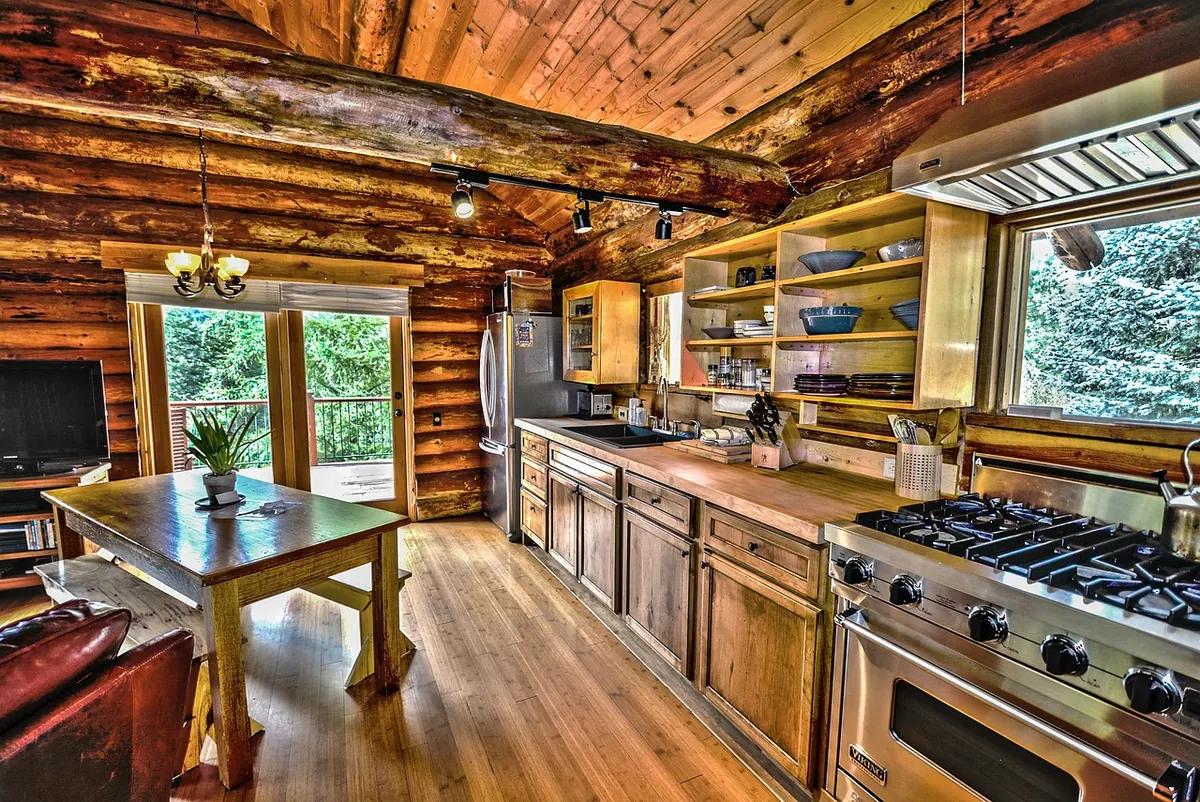
Mount the blanket and any extinguisher on the wall near the kitchen door, on your way out, not directly above the hob. You should be able to reach them from standing without leaning across the cooker or over a pan of hot oil. The blanket pouch should release easily with one pull. Keep both out of reach of small children, but not so far away that you have to cross the room for them in an emergency.
If you live with a disability, a mobility issue or a health condition that would slow you down, plan your escape route before you need it rather than relying on fighting a fire yourself.
If a fire starts tonight
- Do not move the pan or appliance. Turn off the heat or power only if you can do so safely.
- Get everyone out of the kitchen and close the door.
- Call 999, even if you think you have dealt with it. Fire can travel inside walls and ducting.
- Tackle the fire only if it is small, you know what you are using, and you have a clear exit behind you.
- With a blanket, shield your hands and lay it gently over the fire. Leave it for at least 30 minutes.
- With an extinguisher, aim at the base of the flames and stay low, keeping your back to the exit.
- If the fire is not out in seconds, stop and leave. A kitchen can be replaced; you cannot.
The short answer
For a normal British kitchen, the safest pair is a properly sized fire blanket on the wall by the door and a CO2 extinguisher for appliances, with a wet chemical unit added if you fry often. The blanket is the simpler tool and the one most people will actually use correctly when the heat is on. Buy to the right standard, mount it where you can reach it without reaching over the fire, and know your limit: if in doubt, get out and call the fire service.
Photo: iram shehzad / Pexels
Related Articles